
Understanding Medication Management
To understand medication management from diverse perspectives, we distributed an online survey across social media, bulletin boards in Toronto and Hamilton, and in partnership with local community groups.
In total, we collected 236 responses over a three-month period from February to May 2026. Below is a breakdown of what we learnt from the data and how these findings are shaping the way we build Pillsette.
Participant Demographics
Age
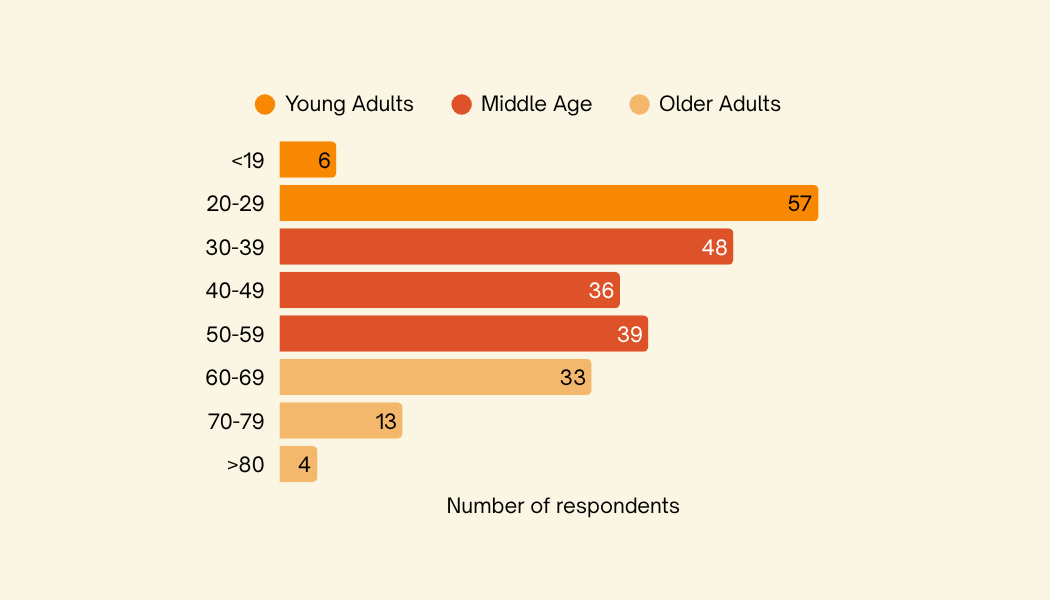
We gathered feedback from a wide range of age groups, including a large number of working-age participants. This was incredibly valuable, as most conversations around medication management focus primarily on older adults. Hearing from all age brackets gave us a much more complete picture.
Gender
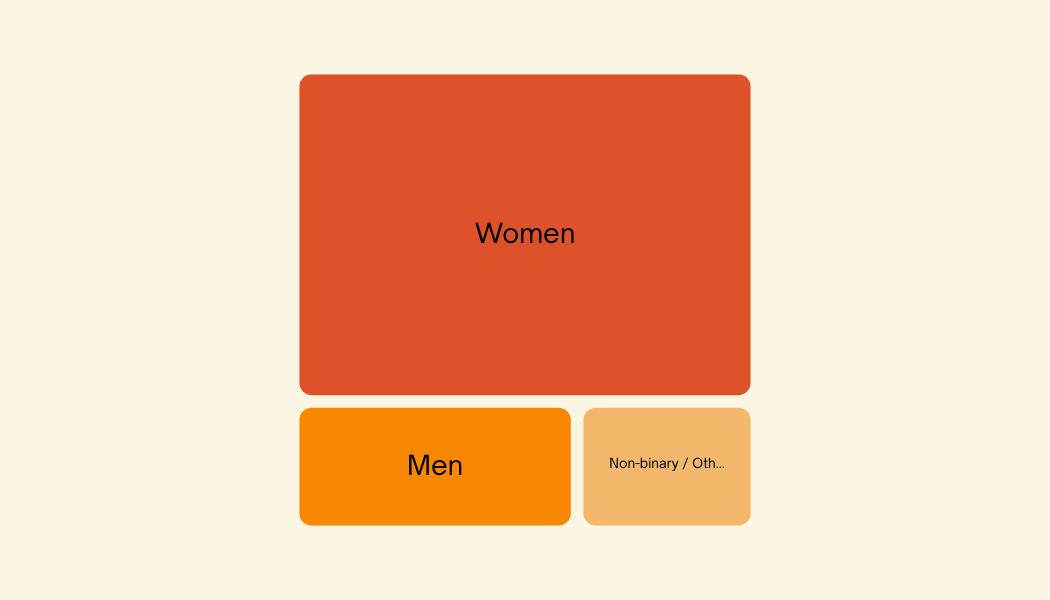
Nearly three-quarters of our respondents (72%) identified as women. While this means women were highly represented in this survey, we plan to actively reach out to a wider mix of genders in the future to ensure we capture an even broader range of perspectives.
Role
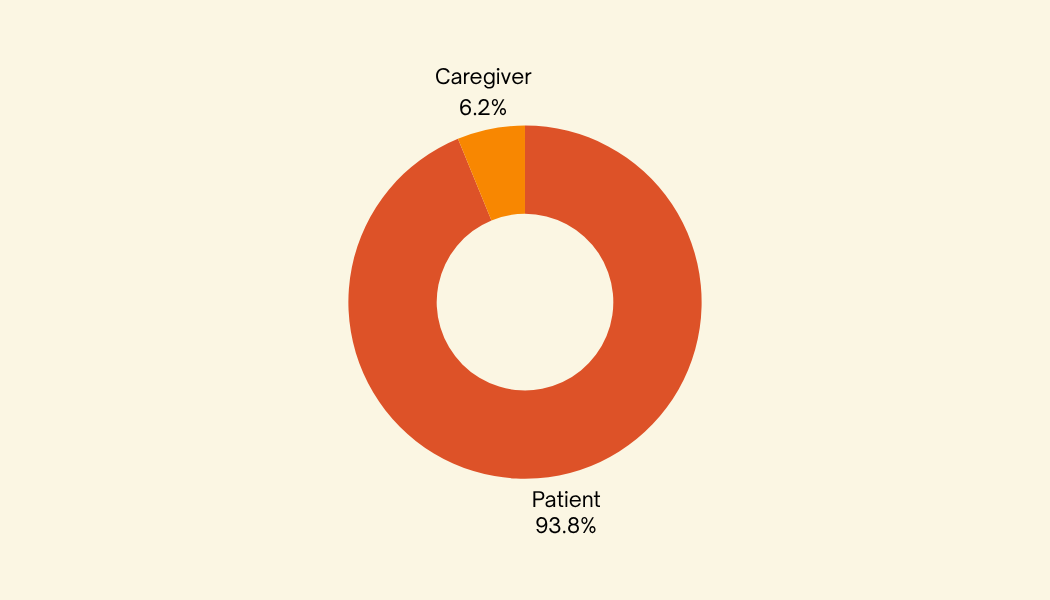
The vast majority of our respondents (92%) take medications themselves while 8% of the respondents act as caregivers, whether to an older adult or to a child in their care.
Medication Intake
Quantity
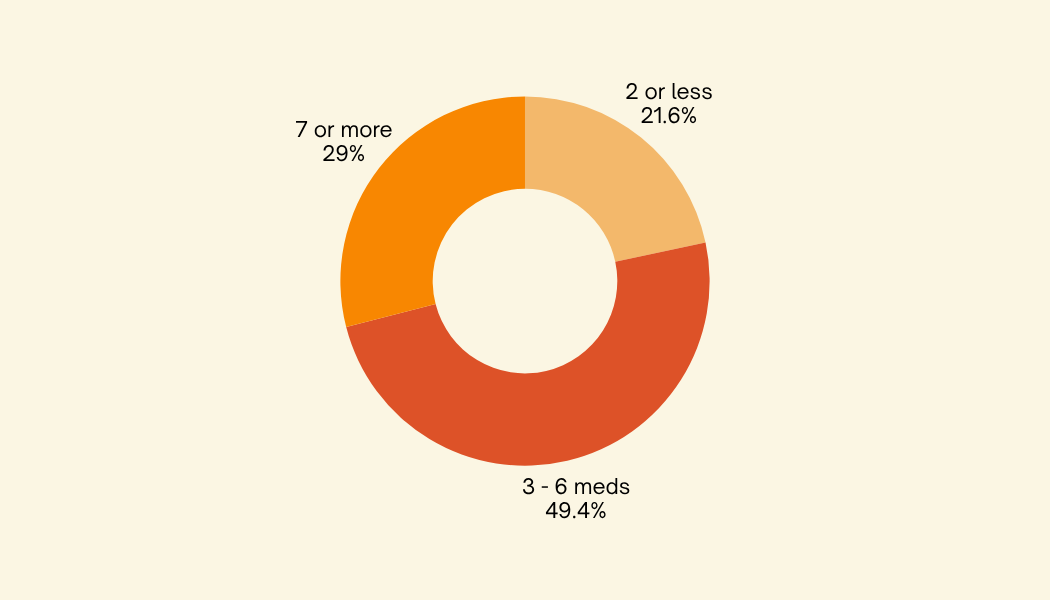
We saw an interesting split in the number of medications that participants take. Half of the respondents take 3-6 medications daily, while the rest are split quite evenly: 22% take up to 2 medications daily and 29% take 7 or more every day.
Administration
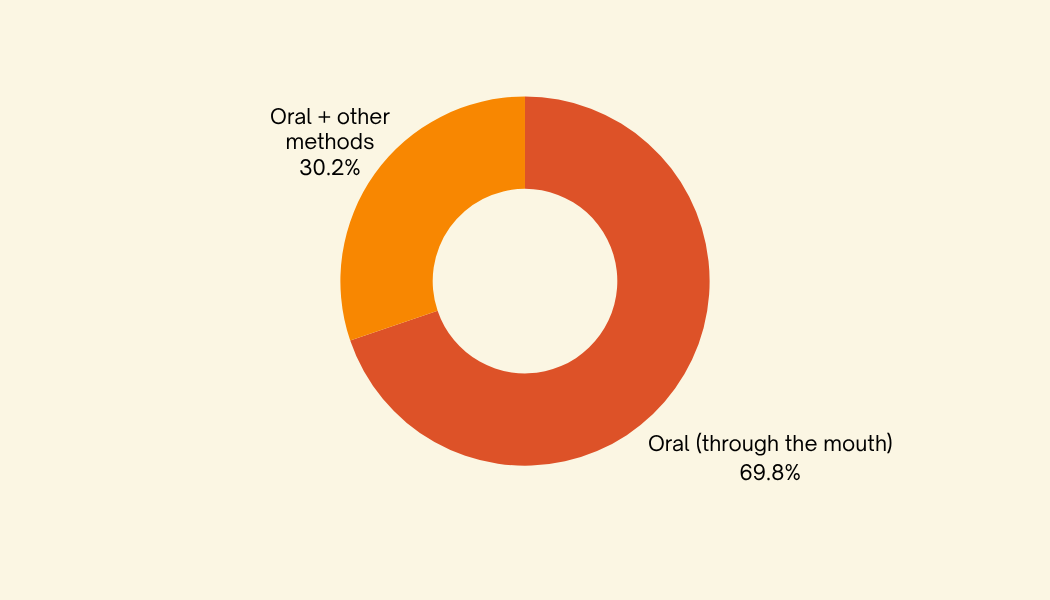
Unsurprisingly, 70% of the respondents take only oral medications (like pills or tablets). The remaining 30% use a mix of oral meds, injections, or skin creams/gels. Interestingly, no respondent used only injections or skin gels, they were always taken alongside daily pills.
Medication Adherence
Adherence
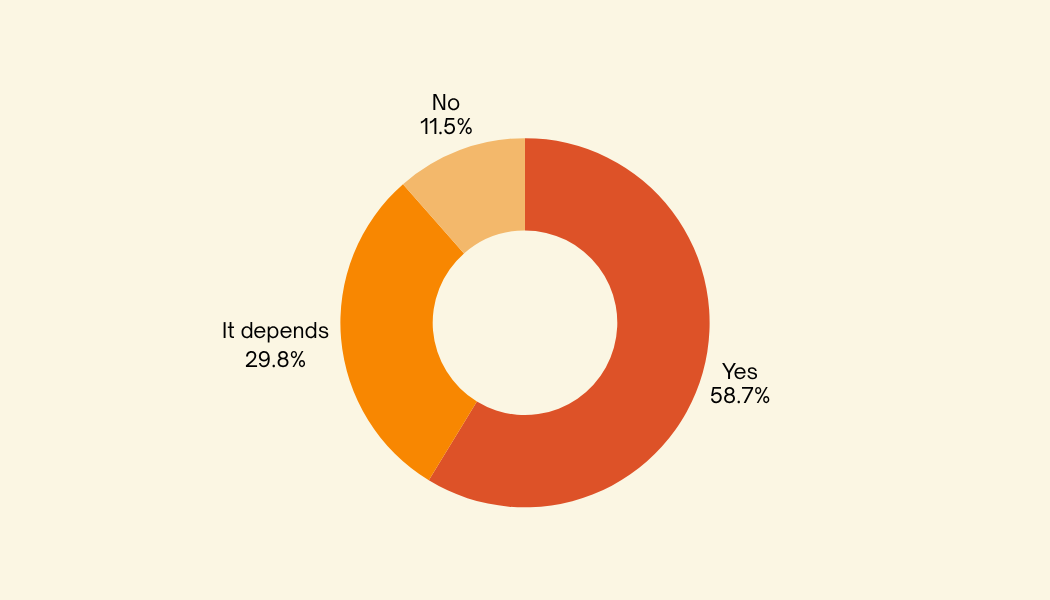
When we asked how easy it is to stay on track with their medications, only 11% of respondents said they always remember to take them. The majority admit to forgetting often, and 30% said their ability to stick to their routine varies a lot from day to day.
In a follow-up question, participants presented a host of reasons why they struggle with medication adherence. By analysing their responses, we found that the top 5 reasons are:
- Work: leaving home early, busy schedules, childcare, tiredness after long days.
- Changes to routine: relocation of pill organizers, late rising from bed, changing work shifts.
- Frequency: multiple dosages a day requiring complex schedules, managing drugs for multiple conditions.
- Food: drugs that require food tend to go untaken when the patient does not have food readily available.
- Focus: distractions, time blindness, thinking they already took it.
Adherence Strategies
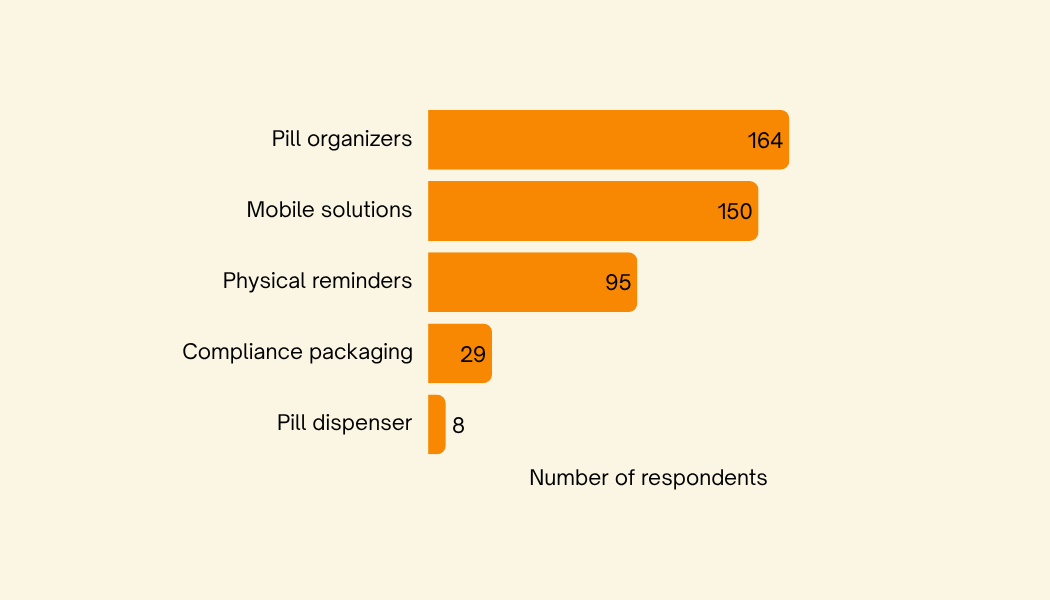
Most participants have tried some combination of a pill organizer, a mobile application with a reminder feature, and physical reminder such as cue cards or fridge calendars. About 12% of the respondents had used compliance packaging (such as a blister pack) and only 8 respondents have used electronic pill dispensers.
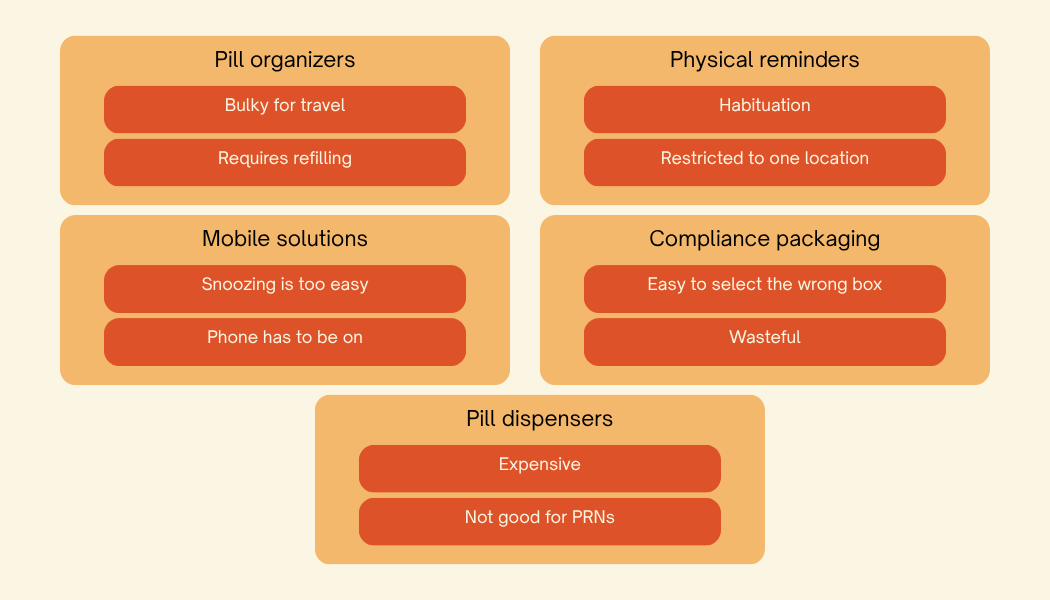
When asked about the downsides of these strategies, participants shared common frustrations. Below, we've highlighted the top two pain points for each method:
Personal Healthcare
As-Needed Medication
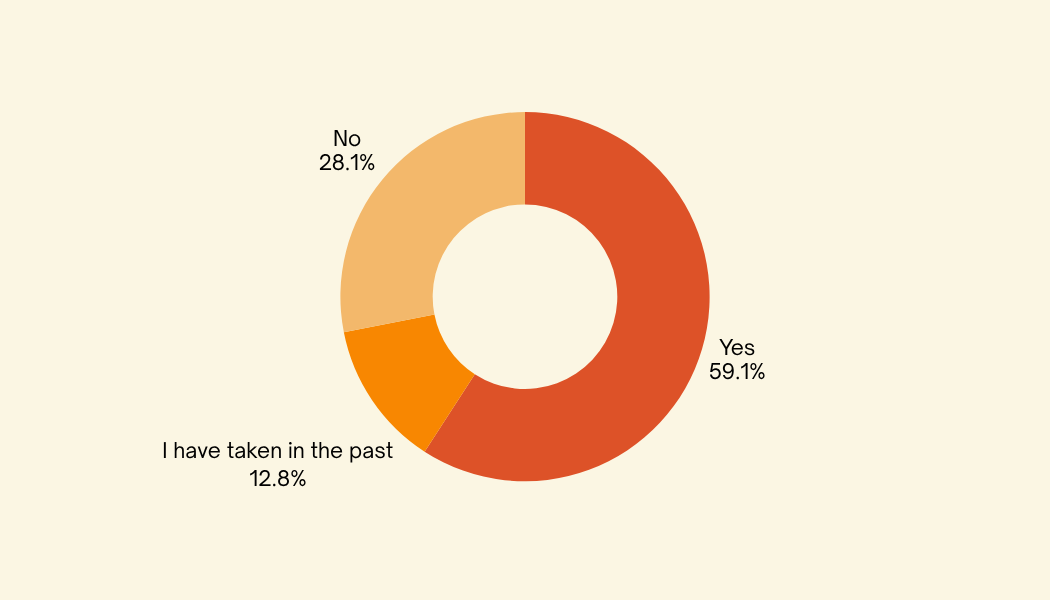
3 out of every 5 respondents take as-needed or pro re nata (PRN) medications, which are taken without a schedule and as need arises. Another 13% mentioned that they had taken them in the past.
Dose Changes
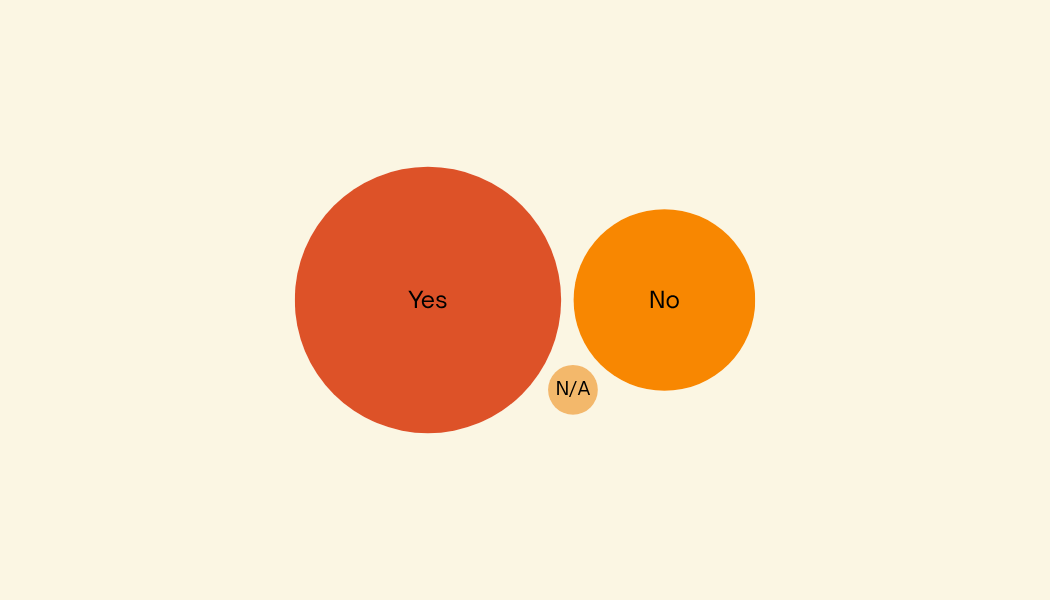
Two-thirds of the respondents said they have been asked to change their medication in the past, either to stop a medication, change the dose, or start a new medication. Some of the reasons provided were the availability of a better medication, deprescribing to reduce their number of medications, or to respond to new symptoms or side effects.
Doctor Relationship
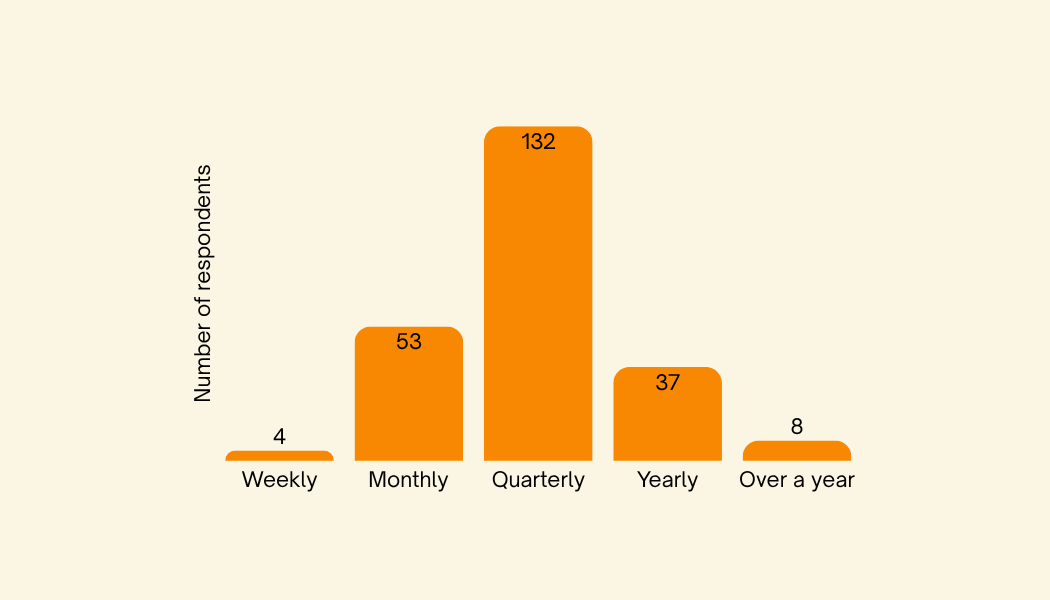
On average, most respondents interact their primary physician once in three months. 22% of respondents visit their doctor every month (whether physically or virtually), and 4 respondents have a weekly consultation.
What This Means for Pillsette
The patterns we found in this survey served as the perfect launching pad for our deeper, one-on-one conversations with users. These insights have already directly influenced how we design Pillsette. For example:
- We found that respondents with more than one medication administration process, e.g. oral medication and injections, tended to have more difficulties with their medication management compared to respondents who only took oral medications.
- Participants mentioned the difficulties of tracking as-needed medication as effectively as scheduled medication with some mentioning that they try to take as little PRNs as possible.
Would you like to learn more about Pillsette? Join the mailing list!